





1. About the Company
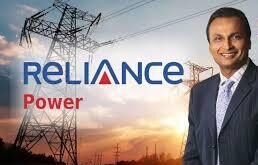
Reliance Infrastructure Ltd. (RInfra) is a leading Indian infrastructure company, part of the Anil Dhirubhai Ambani Group (ADAG). It operates across various sectors including engineering and construction (E&C) for power generation, transmission, roads, metro rail, airports, and defence-related services. The company commands a strong presence in Mumbai and Delhi with significant power distribution operations and infrastructure projects such as Mumbai Metro One.
2. Valuation & Financial Highlights (As of Mid-2025)
Based on July-August 2025 data, the company’s valuation and financial health metrics were analyzed:
- Market Capitalisation: ₹13,977 Cr
- Share Price: ₹342
- P/E Ratio: 2.67 (Significantly lower than the industry median, suggesting it is undervalued).
- P/B Ratio: 0.87 (Also indicates a deep discount compared to peers).
- Return on Equity (ROE): 38% (Strong recent performance).
- Debt-to-Equity Ratio: ~0.44 (A moderate and reasonable leverage level).
- Interest Coverage Ratio: ~2.6 (Indicates an improved ability to service its debt).
- Key Finding: The company has become net debt-free, a major positive for its risk profile and future growth potential.
The company has notably achieved a “net debt-free” position on a standalone basis, meaning its cash and cash equivalents exceed its bank and financial institution borrowings standalone. However, Reliance Infrastructure still reports a consolidated total debt of about ₹6,361 crore, which includes other borrowings and subsidiary liabilities.
3. Peer Comparison Summary
| Parameter | RInfra | NTPC | POWERGRID | ADANIPOWER | ADANIENSOL |
| Market Cap (₹Cr) | 13,977 | 3,22,172 | 2,64,695 | 2,24,011 | 94,721 |
| P/E Ratio | 2.67 | 13.75 | 17.05 | 17.31 | 89.36 |
| P/B Ratio | 0.87 | 1.88 | 2.92 | 3.69 | 4.74 |
| ROE (%) | 38 | 12.61 | 17.39 | 28.69 | 5.31 |
| Net Profit Margin (%) | 20.92 | 12.57 | 33.9 | 22.68 | 3.88 |
| Sales Growth (5Y %) | 4.1 | 11.4 | 3.94 | N/A | N/A |
| Debt to Equity Ratio | ~0.44 | 0.49 | 0.08 | N/A | N/A |
| Interest Coverage Ratio | ~2.6 | N/A | N/A | N/A | N/A |
| Order Book (₹Cr) | Not disclosed | ~18,700 | ~1,48,000 | N/A | N/A |
Reliance Infrastructure shows strong profitability metrics but is modest in sales growth and has lower order book visibility compared to peers like POWERGRID and NTPC. It trades at a significant discount compared to its peers, presenting an undervalued opportunity albeit with notable risks.
4. Debt Reduction and Capital Raise through Warrants
Reliance Infrastructure’s journey to becoming net debt free on a standalone basis is a key financial achievement. The company reduced its standalone bank and financial institution borrowings from over ₹3,060 crore in FY24 to nearly zero by March 2025. This deleveraging was enabled primarily by:
- Issuance of warrants worth ₹3,010 crore in October 2024, largely subscribed by Risee Infinity Private Limited, a promoter group entity.
- Receipt of ₹750 crore in FY25 and an additional ₹225 crore in Q1 FY26 from warrant conversions.
- Strategic settlements and enforcement of securities that brought in approximately ₹2,800 crore.
- Improved operational cash flows and focused repayment of legacy loans.
While the standalone bank debt was cleared, consolidated total debt remains around ₹6,361 crore, reflecting remaining borrowings and liabilities beyond bank loans.
5. Legal and Fraud Investigation Linkage
Anil Ambani and several Reliance group entities, including Risee Infinity Pvt Ltd, are currently under investigation by the Enforcement Directorate (ED) regarding an alleged ₹17,000 crore loan fraud and money laundering case. Key details include:
- The investigation targets diversion of loans extended by various banks routed through group companies and undisclosed related entities, including shell firms.
- Risee Infinity Pvt Ltd’s involvement in warrant subscription links it indirectly to the probe concerning fund flows within the group.
- Anil Ambani appeared for questioning in August 2025 and is cooperating with authorities.
- The alleged ₹17,000 crore loan fraud spans multiple group companies and precedes the debt reduction activities at Reliance Infrastructure.
- The gradual reduction of the group’s loan exposure from ₹17,000 crore to ₹6,361 crore at Reliance Infrastructure’s consolidated level reflects portfolio clean-ups, settlements, and capital infusion over years.
6. Management, Ownership, and Risk Considerations
- Chairman and Key Promoter: Anil Dhirubhai Ambani.
- Promoter Holding: Approximately 16-19%, primarily through entities like Risee Infinity Pvt Ltd.
- Board and Family Involvement: Anil Ambani remains the pivotal figure; no widely publicized key roles for his children.
- Risks Related to Legal Issues:
- Potential investor sentiment erosion and stock volatility.
- Leadership uncertainty and governance scrutiny.
- Reputational effects possibly impacting partnerships and credit relationships.
- Regulatory investigations may impose operational challenges.
- Potential investor sentiment erosion and stock volatility.
7. Conclusion
Conclusion
Reliance Infrastructure stands out as a fundamentally strong yet undervalued player in the infrastructure sector, with a healthy ROE, robust profitability, and significant progress in deleveraging — including achieving a net debt-free position on a standalone basis. However, the ongoing ED investigation involving its promoter entity, Risee Infinity Pvt Ltd, and Anil Ambani’s role, remains a major overhang on investor sentiment.

For potential investors, the ED’s findings and eventual resolution of these legal matters should be a primary watchpoint. The current bearish trend in the stock reflects market caution toward these uncertainties. The prudent approach would be to wait for two key triggers before entering:
- Regulatory Clarity: A clear outcome or easing of the ED’s scrutiny on Risee Infinity Pvt Ltd and related entities.
- Technical Confirmation: Visible bullish chart signals and a shift in market sentiment.
Once both conditions are met — regulatory air cleared and bullish price action confirmed — Reliance Infrastructure could emerge as an attractive long-term investment candidate, given its undervaluation, improved financial health, and diversified infrastructure portfolio.
Until then, patience and close monitoring are advised.